
By The Global Success Review Magazine

What-Mark-Zuckerberg-Understands-About-Human-Behavior-That-Most-CEOs-Miss_The-Global-Success-Review-Magazine
In the world of technology, only a handful of leaders have built products that truly reach billions. Mark Zuckerberg is one of them, and not by accident. From his Harvard dorm room to becoming the CEO of one of the most influential tech companies in history, Zuckerberg’s success is deeply rooted in one unique advantage:
👉 He understands human behavior at a psychological level most CEOs never reach.
Facebook (now Meta) did not become a global empire just by being a social network. It became the digital reflection of how people connect, communicate, express themselves, and build identity. Zuckerberg didn’t just build a platform; he built a global human behavior engine.
Here’s what he understands that many leaders overlook.
1. People Crave Connection Above Everything Else
Long before “social media” became a term, Zuckerberg grasped one core truth:
Human beings are wired for connection.
He built Facebook around the most fundamental behavior in human psychology:
👉 The desire to belong.
By designing features like profiles, friend lists, groups, messaging, and eventually reactions and stories, he created digital spaces where billions could feel connected and seen instantly.
Most CEOs build products.
Zuckerberg builds networks.
And networks scale faster than any product ever can.
2. Identity Is the Heart of Engagement
Zuckerberg knew early on:
People want to express who they are.
Everything from photos to statuses to timelines allowed users to build a version of themselves online. This wasn’t a feature; it was a psychological unlock.
People didn’t just use Facebook.
They became a version of themselves on Facebook.
This deep personalization is why the platform became habit-forming and culturally influential.
3. Behaviour Repeats When Friction Is Removed

Image Source: economist.com
One of Zuckerberg’s most underrated insights is that:
👉 Small friction = massive drop in engagement.
He obsessively removed friction from each action:
- one-click sign-in
- simplified sharing
- instant notifications
- automatic photo tagging
- integrated messaging
- mobile-first experiences
These “micro-optimizations” allowed billions to use Facebook effortlessly.
Most CEOs focus on big features.
Zuckerberg focuses on behavior flow.
4. People Love Platforms That React to Them
Humans respond strongly to feedback loops.
Likes, reactions, comments, shares, and tags, these weren’t accidental. They were psychological triggers designed to:
- reward participation
- encourage return visits
- deepen emotional attachment
This understanding of cognitive reward cycles helped Facebook scale to a global addiction machine, for better or worse.
5. People Want to Be Heard—Not Just Spoken To
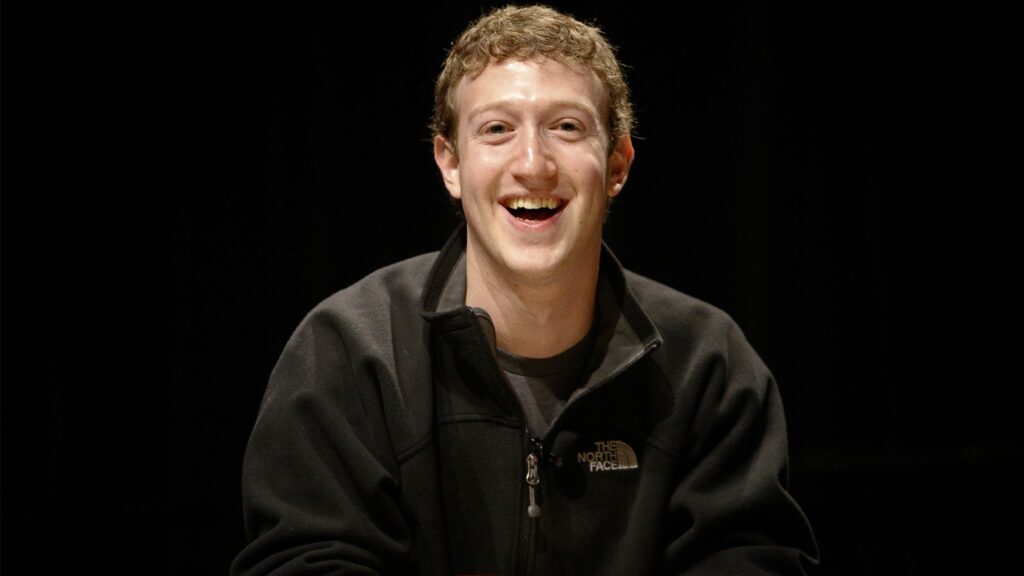
Image Source: wallpapersafari.com
One of Zuckerberg’s greatest strategic instincts was recognizing that people don’t want broadcast communication.
They want interactive conversation.
Features like Groups, Messenger, Marketplace, and Reels gave people the ability to:
- speak,
- respond,
- debate,
- build tribes,
- and influence culture.
He built a platform where every user could be a publisher.
6. Humans Follow Social Proof
Zuckerberg leveraged one of the oldest psychological principles:
👉 People trust what others do.
“Friends who liked this,”
“People you may know,”
“Trending topics,”
“Suggested groups,”
“Popular posts.”
These features helped guide user behavior and kept the platform self-sustaining.
Billions used the platform because billions were already using it.
7. People Prefer Experiences Over Tools
Zuckerberg understood that people don’t just want utility; they want meaning and emotional resonance.
He transformed Facebook from:
- a tool → to a community
- an app → to an ecosystem
- a platform → to a lifestyle interface
This emotional connection is what keeps Meta’s products alive across decades.
8. The Future Belongs to Immersive Human Experiences

Image Source: wired.com
Zuckerberg’s biggest bet, the Metaverse, is rooted in his long-held belief that:
👉 Humans prefer immersive, interactive environments over flat screens.
Just like social networking transformed communication, he believes virtual and augmented reality will transform:
- work
- entertainment
- learning
- relationships
- identity
- community
Most CEOs react to the present.
Zuckerberg builds for the next evolution of human behavior.
Conclusion: The CEO Who Built for Billions
Mark Zuckerberg’s influence goes beyond technology.
His core strength lies in decoding what people want, sometimes before they even know it.
What he understands that many CEOs miss:
🌍 People want connection
🧠 They seek identity
⚡ They respond to simplicity
🔁 They follow feedback loops
💬 They crave interaction
🌟 They trust social proof
❤️ They prefer experiences over tools
🚀 They move toward immersive worlds
This deep, almost intuitive understanding of human psychology is what allowed Zuckerberg to build platforms that serve nearly half of the world’s population.
He isn’t just a tech leader; he’s a behavioral architect.
