Preserving Knowledge, Inspiring Innovation, and Shaping the Future of Libraries Across Bahrain
Building a Future Where Knowledge Has No Boundaries
Knowledge has always been one of humanity’s greatest assets. In an era driven by digital transformation, artificial intelligence, and instant access to information, the role of libraries has expanded far beyond preserving books. Today’s libraries serve as centers of learning, innovation, collaboration, and cultural preservation. Behind this evolution are visionary leaders committed to ensuring that knowledge remains accessible, reliable, and relevant for generations to come.
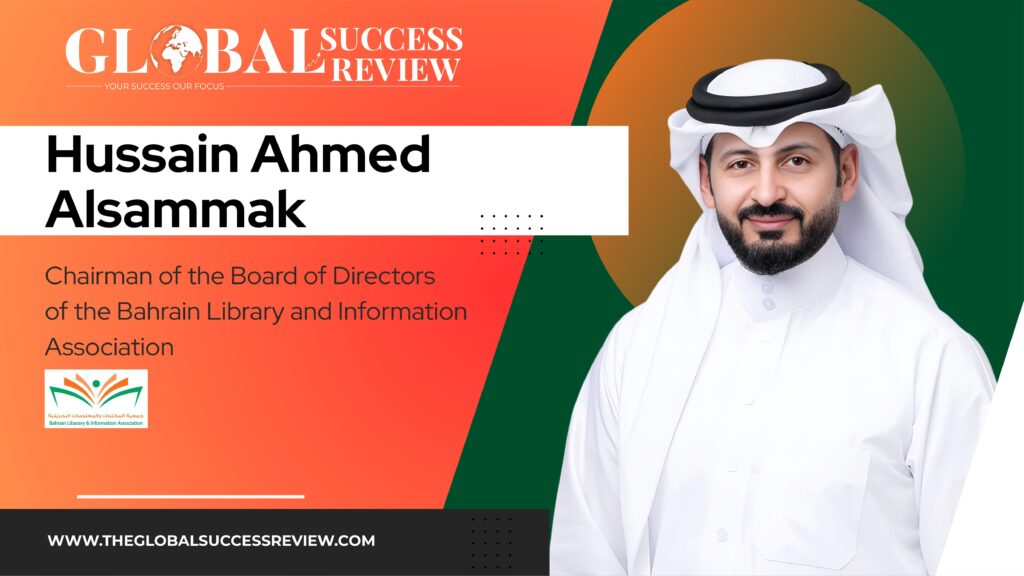
Among these distinguished professionals is Hussain Ahmed Alsammak, whose leadership continues to strengthen Bahrain’s library and information sector while contributing to broader regional initiatives through the Arab Federation for Libraries and Information (AFLI). As Chairman of the Board of the Bahrain Library and Information Association, he represents a generation of knowledge leaders dedicated to advancing professional excellence, encouraging collaboration, and embracing innovation while preserving cultural identity.
His recognition in Bahrain’s Most Visionary Knowledge & Information Leaders to Watch in 2026 reflects not only his professional achievements but also his continued commitment to building a stronger knowledge ecosystem across Bahrain and the wider Arab region.
Championing the Evolution of Libraries
Modern libraries have undergone remarkable transformation over the past decade. They have evolved into dynamic environments where education, research, technology, and community engagement intersect. This transformation requires visionary leadership capable of balancing technological advancement with the timeless mission of preserving knowledge.
Throughout his professional journey, Hussain Ahmed Alsammak has supported initiatives that encourage the continuous development of library and information services. His leadership emphasizes collaboration among professionals, lifelong learning, and the adoption of best practices that strengthen the overall quality of information services.
His work reflects an understanding that libraries are no longer simply repositories of information; they are essential contributors to innovation, education, and sustainable national development.
Leading Through Collaboration
Effective leadership in the knowledge sector depends on the ability to unite professionals around a common vision. Under Hussain Ahmed Alsammak’s leadership, the Bahrain Library and Information Association continues to promote professional networking, educational initiatives, and knowledge exchange that benefit librarians, researchers, educators, and information specialists.
His approach recognizes that meaningful progress is rarely achieved in isolation. Instead, strong partnerships between educational institutions, government organizations, cultural entities, and professional associations create opportunities for innovation and long-term growth.
By encouraging collaboration and continuous professional development, he contributes to strengthening Bahrain’s information infrastructure while supporting the advancement of library professionals throughout the country.
Strengthening Regional Knowledge Networks
Beyond his national leadership, Hussain Ahmed Alsammak’s involvement with the Arab Federation for Libraries and Information demonstrates his commitment to regional cooperation.
Knowledge challenges today extend beyond national borders. Digital preservation, information accessibility, research collaboration, metadata standards, and technological innovation require collective effort among countries across the Arab world.
Organizations such as AFLI play an important role in connecting professionals, sharing expertise, and encouraging the adoption of international standards while respecting local cultures and heritage. Through regional engagement, knowledge professionals can collectively address emerging challenges and create stronger information ecosystems that benefit future generations.
Embracing Digital Transformation
The rapid advancement of digital technologies continues to redefine how information is created, managed, and accessed.
Digital libraries, cloud-based information systems, institutional repositories, electronic archives, and intelligent search technologies have become essential components of modern knowledge management.
Forward-thinking library leaders understand that technology should enhance accessibility without compromising the accuracy, authenticity, and preservation of information. Digital transformation is therefore not simply about adopting new tools; it is about creating more inclusive, efficient, and sustainable knowledge services.
This evolving landscape offers tremendous opportunities for libraries to expand their reach, improve user experiences, and strengthen lifelong learning across society.
Artificial Intelligence and the Future of Knowledge
Artificial Intelligence is expected to reshape nearly every aspect of information management during the coming decade.
From intelligent cataloguing and metadata generation to multilingual search capabilities and personalized information discovery, AI has the potential to significantly improve library services.
However, technological innovation must always be guided by professional ethics, transparency, and responsible information governance.
Future-ready libraries will combine advanced technologies with skilled professionals who understand the importance of critical thinking, information literacy, digital preservation, and public trust.
Leaders within the profession recognize that AI should complement human expertise rather than replace it, enabling librarians and information specialists to deliver even greater value to their communities.
Investing in Future Professionals
One of the defining characteristics of sustainable leadership is the ability to develop future leaders.
Professional education, continuous learning, certification programs, conferences, research collaboration, and mentorship all contribute to building stronger knowledge institutions.
Encouraging young professionals to pursue careers in library science and information management is essential for ensuring that the profession continues to evolve alongside changing technologies and societal needs.
By supporting professional development and lifelong learning, experienced leaders help create an environment where innovation and knowledge sharing become part of organizational culture.
Preserving Heritage While Inspiring Innovation
Libraries serve as custodians of cultural memory. Historical documents, manuscripts, archives, and national heritage collections preserve the stories that define civilizations.
As digital transformation accelerates, preserving these invaluable resources remains a critical responsibility.
Modern information professionals must carefully balance innovation with preservation, ensuring that technological progress enhances, not replaces, the safeguarding of cultural heritage.
This balance represents one of the most important priorities for the next generation of library and information leaders.
Looking Toward the Future
The future of libraries will be shaped by greater digital integration, expanded research collaboration, artificial intelligence, open knowledge initiatives, and increasingly connected global information networks.
As Bahrain continues investing in education, innovation, and digital transformation, its library and information community will play an increasingly significant role in supporting national development.
Visionary leadership, professional collaboration, and continuous innovation will remain essential to ensuring that libraries continue serving as trusted gateways to knowledge.
A Legacy of Knowledge Leadership
Leadership within the library and information profession is measured not only by institutional achievements but also by lasting contributions to education, professional excellence, and community development.
Hussain Ahmed Alsammak’s leadership reflects a commitment to strengthening professional collaboration, encouraging innovation, and supporting the advancement of knowledge institutions across Bahrain and the Arab region.
As libraries continue evolving into intelligent knowledge hubs for the digital age, leaders who embrace both innovation and heritage will shape the future of learning for generations to come. Through dedication to professional excellence, collaboration, and lifelong learning, Hussain Ahmed Alsammak exemplifies the qualities of a visionary knowledge leader whose influence extends beyond institutions to the broader development of society itself.