Building Workforce Engagement Where People and Performance Thrive
Exceptional workplace cultures and workforce engagement do not happen by accident. They are intentionally built by leaders who understand that sustainable business success begins with people. Throughout her HR leadership journey, Sharmen Pennington has helped organizations strengthen leadership, navigate change, and develop talent strategies that enable both people and businesses to thrive.
Transforming Culture Through Purpose-Driven Leadership
Throughout years of executive HR leadership, Sharmen learned early on that it all begins with people. Inspired by recognition she received early in her career, Sharmen dedicated herself to creating workplaces where employees feel valued, communication has purpose, and talent strategies deliver lasting results.
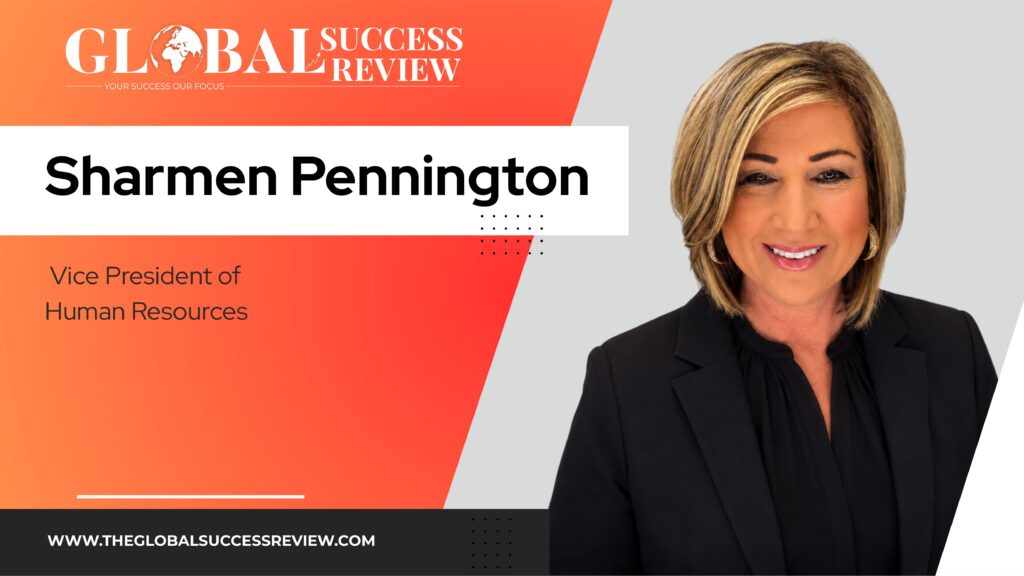
Few leaders understand this reality better than Sharmen Pennington, Vice President of Human Resources. Across her HR leadership journey, she has championed the belief that exceptional organizational performance begins with exceptional leadership development. Her leadership demonstrates that Human Resources is no longer a support function operating behind the scenes; it has become a strategic force capable of shaping business performance, strengthening organizational resilience, and building workplaces where both people and companies flourish.
Recognized among The Most Inspiring HR Leaders Transforming Workplace Culture in 2026, Sharmen represents a new generation of HR executives who combine strategic business thinking with people-centered leadership. Her approach demonstrates that investing in people is not simply good leadership; it is a powerful driver of organizational success.
Rather than viewing workforce engagement as a collection of employee events or isolated initiatives, she approaches it as a living system that is intentionally shaped through leadership behaviors, communication, recognition, and consistent decision-making.
As Sharmen often emphasizes, workplace culture is built through everyday conversations, consistent leadership, and meaningful actions rather than annual initiatives.
Discovering the Human Side of Business
Long before leading enterprise-wide HR initiatives, Sharmen found herself fascinated by a simple but powerful question:
Why do employees love coming to work, and why do they leave?
The answer, she discovered, rarely centered on compensation alone. Instead, it reflected something far deeper: relationships, leadership, recognition, communication, and purpose.
That curiosity eventually became the foundation of her professional mission.
Throughout every stage of her career, she has worked to understand the factors that create highly engaged workplaces where individuals feel connected to organizational success while remaining inspired to grow professionally.
As responsibilities expanded from operational HR leadership to executive strategy, her philosophy remained remarkably consistent: Talent strategies succeed when organizations intentionally invest in people.
This perspective has guided numerous organizational transformations, leadership initiatives, employee engagement strategies, and culture-building programs throughout her career.
Sharmen believes employees do not expect leaders to have every answer; they value honesty, transparency, and authentic communication.
Leadership Built on Transparency and Trust
Leadership is often measured by business outcomes, but Sharmen believes lasting leadership begins with credibility.
Her philosophy is anchored in four timeless principles:
- Transparency
- Accountability
- Integrity
- Respect
These values influence every leadership decision she makes.
Rather than relying on authority, she focuses on building influence through consistent communication, honest conversations, and genuine care for employees.
She believes workplace culture is shaped by the everyday actions of leaders rather than occasional speeches or initiatives.
How leaders communicate difficult decisions.
How they recognize achievement.
How consistently they model organizational values.
How effectively they build trust.
These daily interactions ultimately define leadership far more than mission statements ever could.
“Leadership isn’t about having all the answers. It’s about creating an environment where people feel safe enough to contribute theirs.”
Why Workforce Engagement Has Become a Competitive Advantage
Modern organizations compete not only for customers but also for exceptional talent.
In today’s rapidly changing business environment, workforce engagement has evolved into one of an organization’s strongest competitive advantages.
Sharmen has witnessed firsthand how employee engagement directly influences organizational performance.
When employees understand expectations…
When communication remains consistent…
When recognition becomes meaningful…
When leadership earns trust…
Performance improves naturally.
Retention increases.
Productivity strengthens.
Collaboration becomes easier.
Innovation accelerates.
Rather than treating culture as a “soft” initiative, she views it as a measurable business strategy capable of delivering long-term organizational success.
Leading Through Change
Few leadership challenges test organizational culture more than periods of transformation.
Whether navigating restructuring, rapid growth, acquisitions, or operational change, employees naturally seek clarity and reassurance.
Throughout her HR leadership journey, Sharmen has successfully led organizations through complex transitions by focusing on one essential principle:
People deserve honest communication.
Rather than allowing uncertainty to create fear, she prioritizes transparency, leadership visibility, and active listening.
She understands that employees may not always welcome change, but they will respect leaders who communicate openly and demonstrate empathy throughout the process.
This approach has strengthened employee confidence while preserving organizational momentum during periods of significant transformation.
Recognition That Builds Belonging
One of the most meaningful initiatives Sharmen has championed is the development of structured employee recognition programs.
Recognition, in her view, should never become an annual event.
It should become part of everyday leadership.
Employees seek more than compensation; they want to know their contributions matter.
By embedding recognition into everyday leadership practices, Sharmen has helped organizations strengthen engagement, reinforce shared values, and foster a deeper sense of belonging.
They want their contributions acknowledged.
Their efforts appreciated.
Their successes celebrated.
By making recognition timely, visible, and aligned with organizational values, she helped cultivate stronger employee engagement while reinforcing behaviors that contribute to long-term success.
These initiatives demonstrated that recognition is not simply about awards; it is about creating belonging.
HR as a Strategic Business Partner
For many years, Human Resources was viewed primarily as an administrative function.
Today’s business environment demands something entirely different.
Sharmen believes HR leaders must understand organizational strategy just as deeply as they understand people.
That means using workforce data to guide decisions.
Partnering closely with executive leadership.
Supporting business growth.
Developing future leaders.
Creating scalable talent strategies.
Most importantly, ensuring every people initiative directly supports organizational objectives.
This strategic mindset has positioned HR as an essential contributor to business performance rather than simply a department responsible for policies and compliance.
Creating Sustainable Leadership Development
Leadership development has become one of the defining priorities for modern organizations.
For Sharmen, creating exceptional leadership development begins long before onboarding and extends throughout every stage of an employee’s career.
This requires intentional leadership.
Consistent communication.
Opportunities for growth.
Constructive feedback.
Meaningful recognition.
And an environment where employees feel both supported and accountable.
When organizations consistently invest in these areas, employees become more engaged, more productive, and more committed to organizational success.
Lessons From Exceptional Organizational Transformation
Throughout her journey, Sharmen credits several influential mentors for shaping her leadership philosophy.
Rather than teaching management techniques alone, these leaders demonstrated the importance of trust, consistency, integrity, and clear communication.
Their influence reinforced a lesson that continues to guide her today:
Leadership is less about position and far more about influence.
Those experiences continue to shape how she develops leaders, mentors teams, and approaches organizational challenges.
The Future of Human Resources
Looking ahead, Sharmen believes the role of HR will become even more strategic.
Organizations will increasingly rely on HR leaders to:
• Foster engaging workplace cultures.
• Strengthen leadership capability.
• Use workforce analytics for better decision-making.
• Build agile and resilient organizations.
• Support employee well-being while maintaining high performance.
The future belongs to organizations capable of balancing business objectives with genuine investment in people.
HR will remain central to achieving that balance.
A Legacy Measured by People
While professional recognition is appreciated, Sharmen measures success differently.
One of the most meaningful moments in her career came when a company owner publicly described her as the example of what a great employee looks like.
The compliment was deeply humbling, not because it acknowledged performance, but because it reflected years of consistent integrity, professionalism, commitment, and hard work.
That moment continues to inspire the way she leads today.
Throughout her HR leadership journey, she has guided organizations through periods of rapid growth, organizational change, leadership transitions, and evolving workforce expectations while maintaining employee engagement and trust.
Ultimately, the legacy she hopes to leave is simple yet profound.
She wants organizations to become places where employees feel respected, supported, challenged, and empowered to achieve their full potential.
Because when people are empowered to grow, organizations are positioned to succeed. Sharmen believes the most enduring legacy any leader can leave is not measured by titles or accolades, but by the people they inspire, develop, and empower throughout their journey.
And when organizations intentionally build cultures rooted in trust, accountability, and purpose, they create workplaces capable of succeeding for generations.
Leadership Message
“ Great leadership begins with listening, grows through trust, and is strengthened by consistency. Every conversation, every decision, and every opportunity to support others shapes the employee experience. When leaders genuinely invest in people, they create workplaces where individuals, teams, and organizations can achieve their fullest potential.”
— Sharmen Pennington